Intraoral Cameras
Home » Intraoral Cameras

The use of an Intraoral Scanner in our dental facility

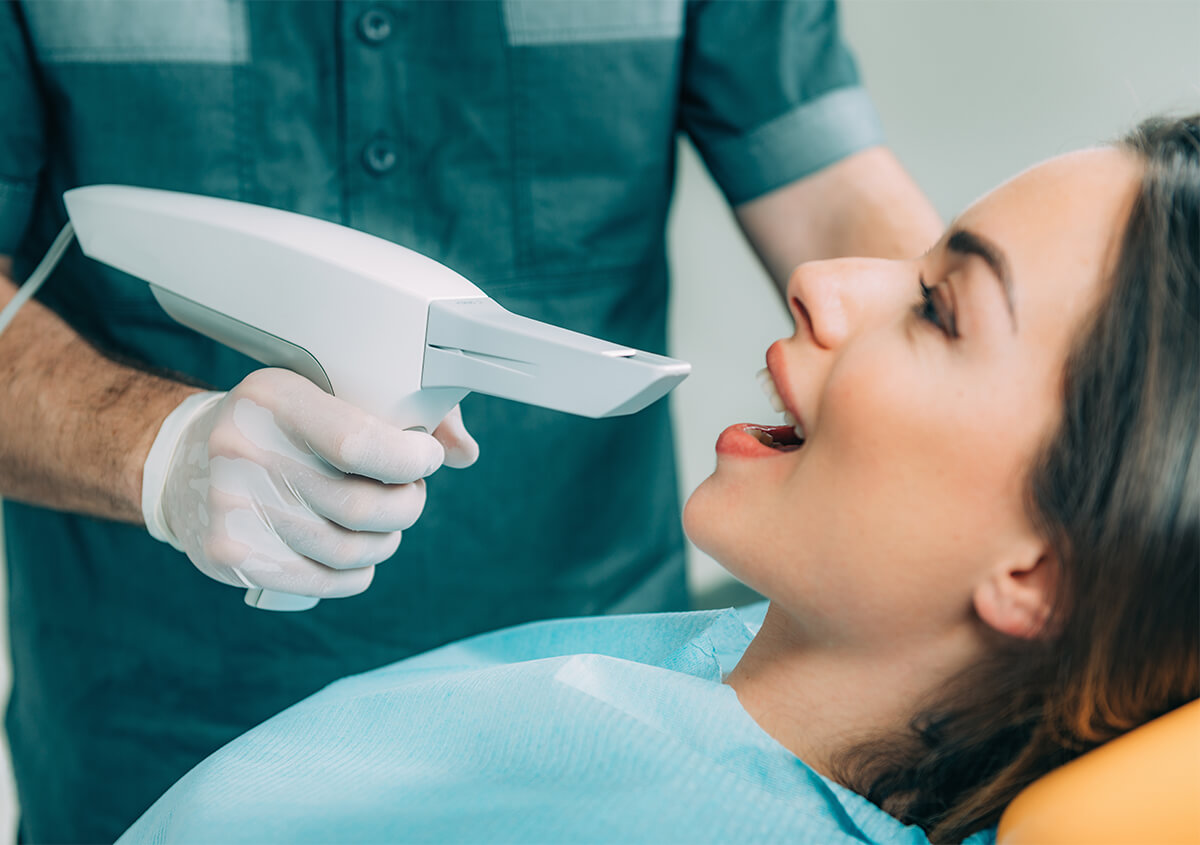
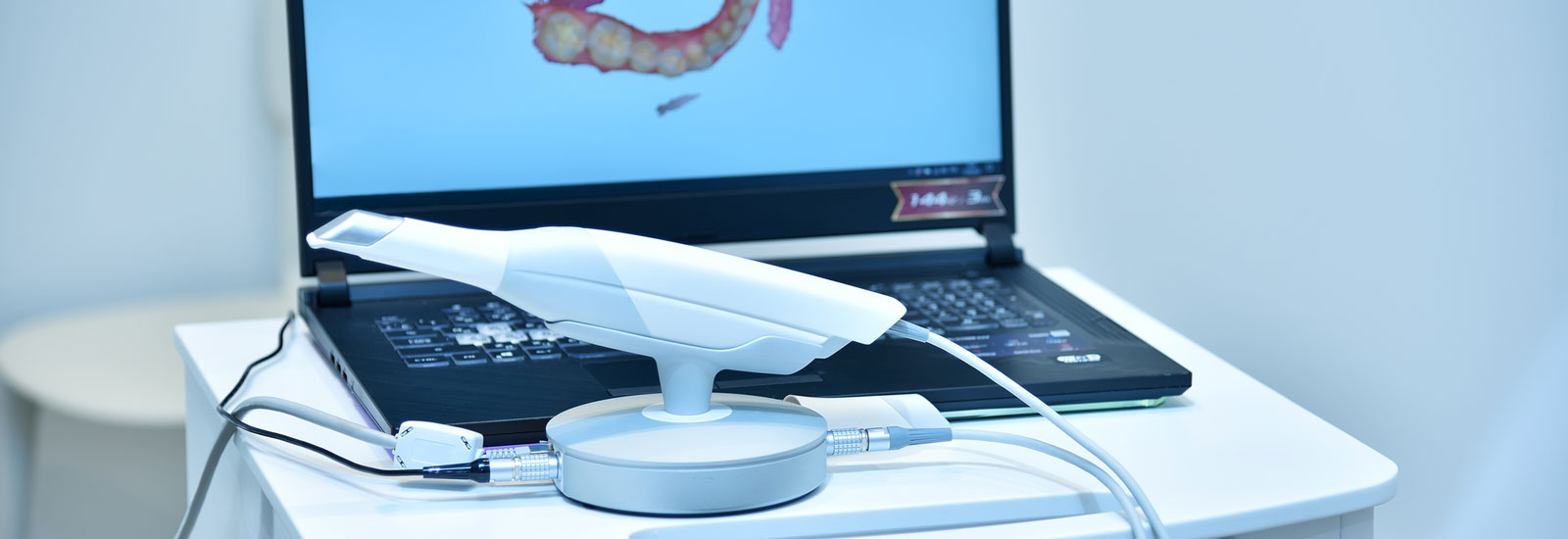
At the practice of Dr. Rich Flores in Willoughby, Ohio, patients can enjoy a wide range of technologically-advanced solutions to help them achieve and maintain their dental health. In addition to providing digital dental x-rays, our team also offers an intraoral scanner. With our TRIOS Intraoral Scanner, patients can see their smile from their dentist’s point of view and replace messy impression pastes when molds are needed of a patient’s smile or prepared tooth. These images and molds created from these cameras are of great precision and accuracy, ensuring the best fit and function of any appliances or restorations made from these photos.

How does an intraoral scanner work?

Our intraoral scanner is a specialized wand-like device with a camera lens at its end. It is inserted into the oral cavity and used to create a three-dimensional digital model of the patient’s teeth and gums. In the past, when creating molds and impressions for retainers, trays, or dentures, we used a messy material that many patients did not feel comfortable with. Instead, we now insert the camera into the mouth to provide fast and painless images and models for our office or outside laboratory use.

Additionally, the intraoral camera is connected to the computer monitors set up in our patient rooms during oral examinations. When talking to patients about their oral health, we can use the camera to provide live video or take still images of areas of concern. This allows our patients to understand their dental health needs better and visually see what Dr. Flores sees. Utilizing this technology in the dental office will enable patients to enjoy better oral health and wellness and have a complete understanding of what their unique needs may be.

Intraoral Cameras FAQs

What is an intraoral camera?

Intraoral cameras are handheld devices (think of a pen) which has the ability to capture images of the inside of your mouth in high resolution. It allows dentists to see detailed views of the oral structures within your mouth, including your teeth and gums. These same things may be difficult to examine with the naked eye. These images help identify problems such as cavities, cracks, worn fillings, and gum inflammation early, improving overall dental care. Patients can also see the images in real time, making it easier to understand their dental health.

How does an intraoral camera work?

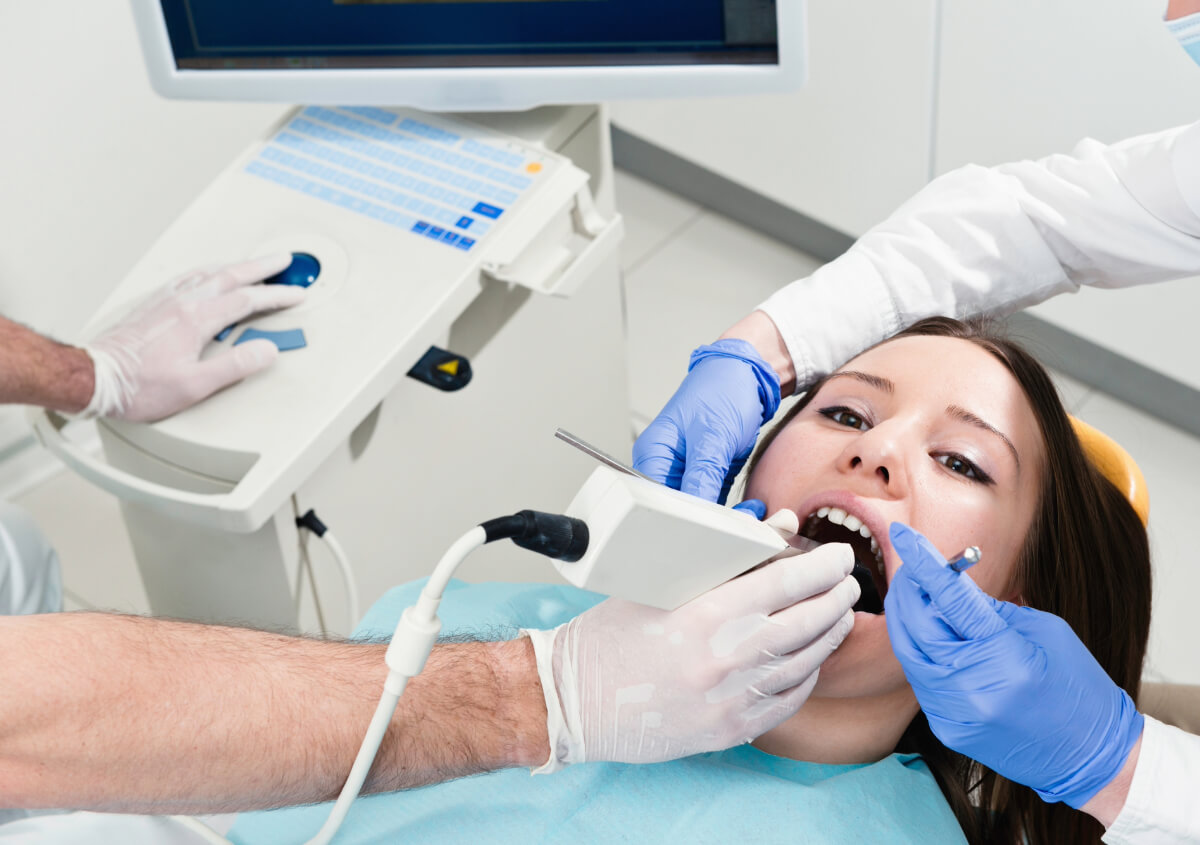
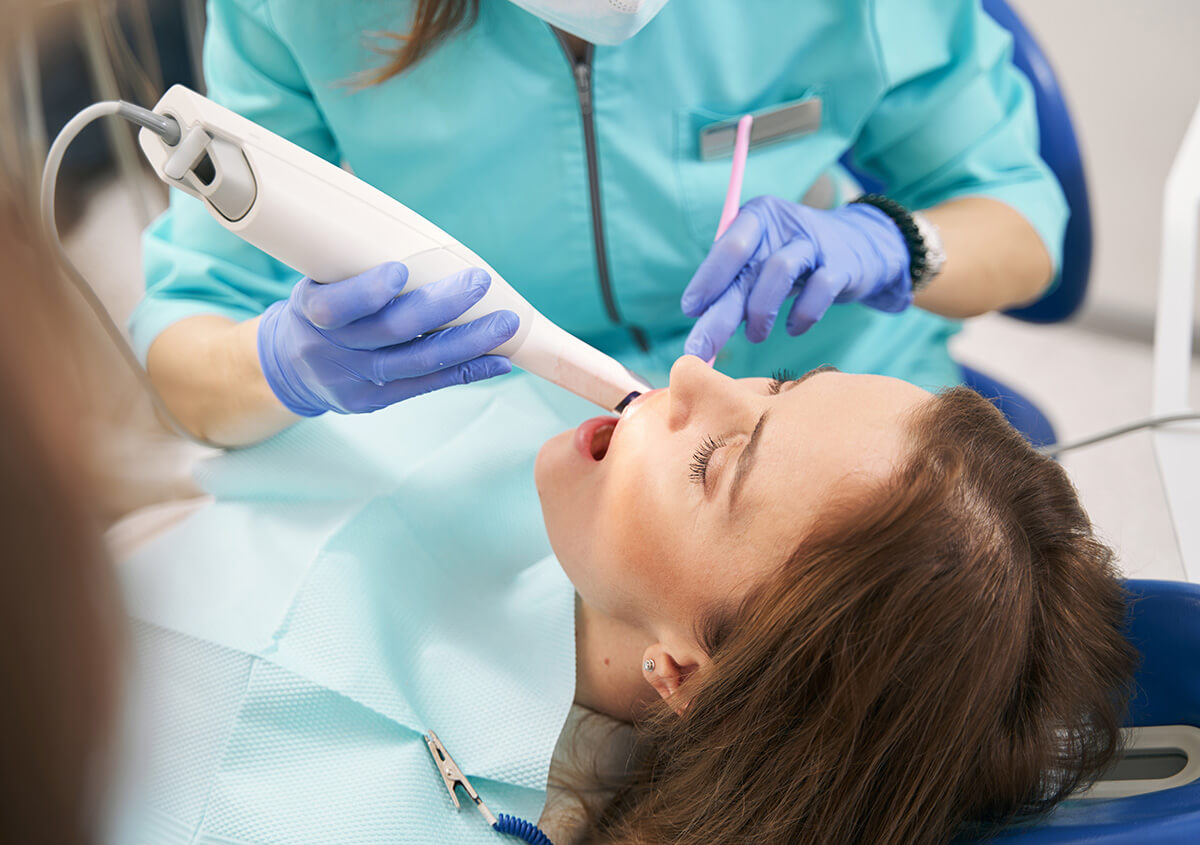
The dentist gently places the camera inside your mouth and moves it around to capture clear images of each area. The camera transmits these images to a computer monitor instantly, giving both the dentist and patient a real-time view of teeth and gums. Some cameras also allow still photos and videos to be saved, which helps document conditions or show changes over time.

Why are intraoral cameras useful?

Intraoral cameras enhance diagnosis and treatment planning. They help detect issues such as small cavities, cracked teeth, plaque buildup, and early signs of gum disease. They also provide visual evidence that allows patients to better understand their oral health, see why certain treatments are recommended, and make informed decisions about their care.

Is using an intraoral camera safe?

Yes. Intraoral cameras are completely safe and non-invasive. They do not emit radiation or harmful energy, and their small design allows comfortable access to all areas of the mouth. Even patients with sensitive gums or teeth can tolerate the procedure well, making it suitable for children, seniors, and those with dental anxiety.

Can intraoral cameras help with preventive care?

Absolutely! Dentists can detect early issues that might otherwise go unnoticed, such as tiny enamel cracks, early-stage cavities, or beginning gum inflammation. By catching these problems early, preventive treatments like sealants, fluoride applications, or improved home care routines can be implemented, often preventing more extensive or costly procedures in the future.

Do intraoral cameras assist with dental procedures?

Yes. They help dentists plan treatments accurately and document results. For example, a dentist can show a patient the condition of a tooth before and after a filling or crown placement This visual evidence ensures the procedure is precise, allows monitoring of restorations over time, and enhances communication between patient and provider.

Are intraoral cameras suitable for children?

Yes. Pediatric dentists often use intraoral cameras to show children their teeth and gums, helping them engage in oral hygiene. Seeing images of their own teeth can motivate children to brush and floss consistently and can reduce fear of dental visits by making the experience more interactive and educational.

Can images from an intraoral camera be stored?

Yes. Images are stored digitally in the patient’s record, creating a visual history of oral health. Dentists can compare current and past images to track progress, detect recurring issues, or monitor treatment effectiveness. Digital storage also makes it easier to share images with specialists, insurance providers, or new dental offices when needed.

How does an intraoral camera improve patient education?

Intraoral cameras allow patients to see exactly what the dentist sees. Dentists can highlight problem areas, explain conditions in detail, and show how certain treatments will address the issues. This hands-on approach makes patients more informed, helps them understand the importance of preventive care, and encourages adherence to recommended dental routines.

Does using an intraoral camera make dental visits longer?

Not significantly. Taking the images usually adds only a few minutes to the appointment. The small amount of extra time is outweighed by the benefits of clearer communication, better treatment planning, and more accurate documentation. Overall, it often makes dental visits more efficient and productive for both patients and dentists.

Ready to find out what makes the practice of Dr. Rich Flores stand out from other dental offices in the community?

Call Richard C. Flores, DDS, LLC today at (440) 856-8774 to request an appointment at our facility, conveniently located in Willoughby, OH, at 34940 Ridge Road, Suite A. We are open to new and currently enrolled patients and families in the surrounding areas, including Mentor, Kirtland, Wickliffe, and Eastlake.
Affordable care is within reach

Discover our in-house savings plan and convenient financing solutions today.